🌊 Tennis courts that “float” in the sea

1. 🇦🇪 Dubai – Ocean Tennis Court (concept)

An impressive project that was presented as an idea for an exhibition match.
A court builtbelow sea level, with glass walls – like an aquarium.
Adjacent: bleachers, luxury lounges and submarine view.It was never built, but it went viral because it shows what “tennis of the future” means.

2. 🇲🇻 Maldives Floating Sports Court

Real project: tennis court on a floating platform.
It brings the game closer to the water — literally.
Players say the feeling islike playing on the wave.

3. 🏝️ Private resorts in Seychelles & Fiji

There are courtsright above the sea— on small islands.
The blue of the sea acts as a natural background.
Some havepanoramic linesso that the court looks… floating.


🏛️ Olympus Court — If it existed today…

If there was a courtjust below Olympus,
it would make sense to be located…
🌀where the sky meets the sea.And there — the first spectator would be oPoseidon.


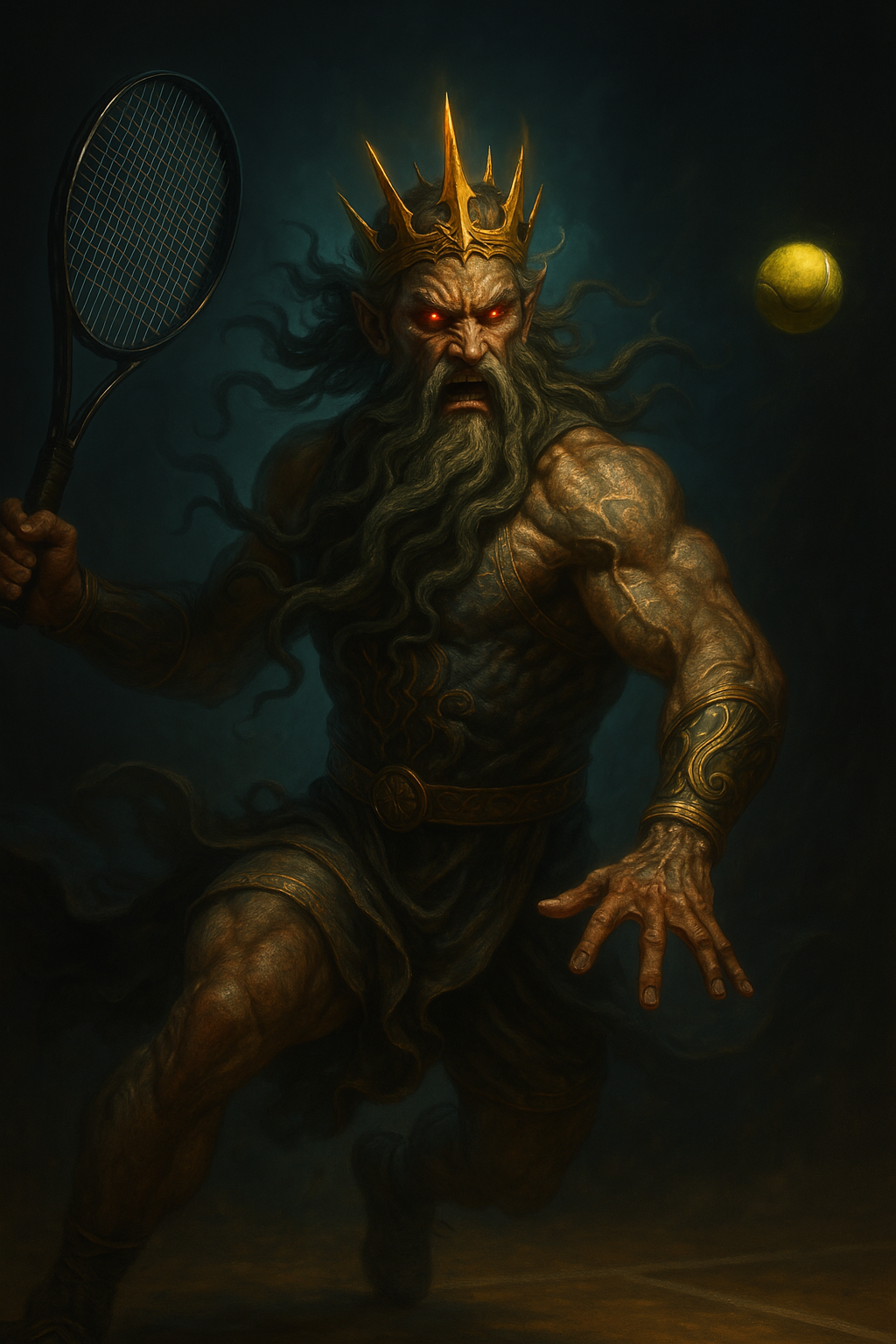
🌊 Neptune – Tactical tennis based on the power of the sea

Neptune does not play aggressively.
He playscircularly— like the waves.

🌊 1. Pace – no rush

A big wave is in no hurry.
It builds, builds… and then hits.
👉 you build the point → you wait for the moment → you make the decisve shot

🌬️ 2. Changing strategy — like a current

It doesn’t always have the same rhythm.
When the opponent “gets used to it” → changes spin, speed, angle.
👉 unpredictability becomes a weapon

💧 3. Energy & Hydration

Poseidon reminds the main thing:

no water → no race.no energy → no clear thinking.

Proper hydration isstrategy, not detail.


🎾 Tennis lesson from Poseidon

“Play like the sea:
calm when needed…
non-stop when the moment comes.”
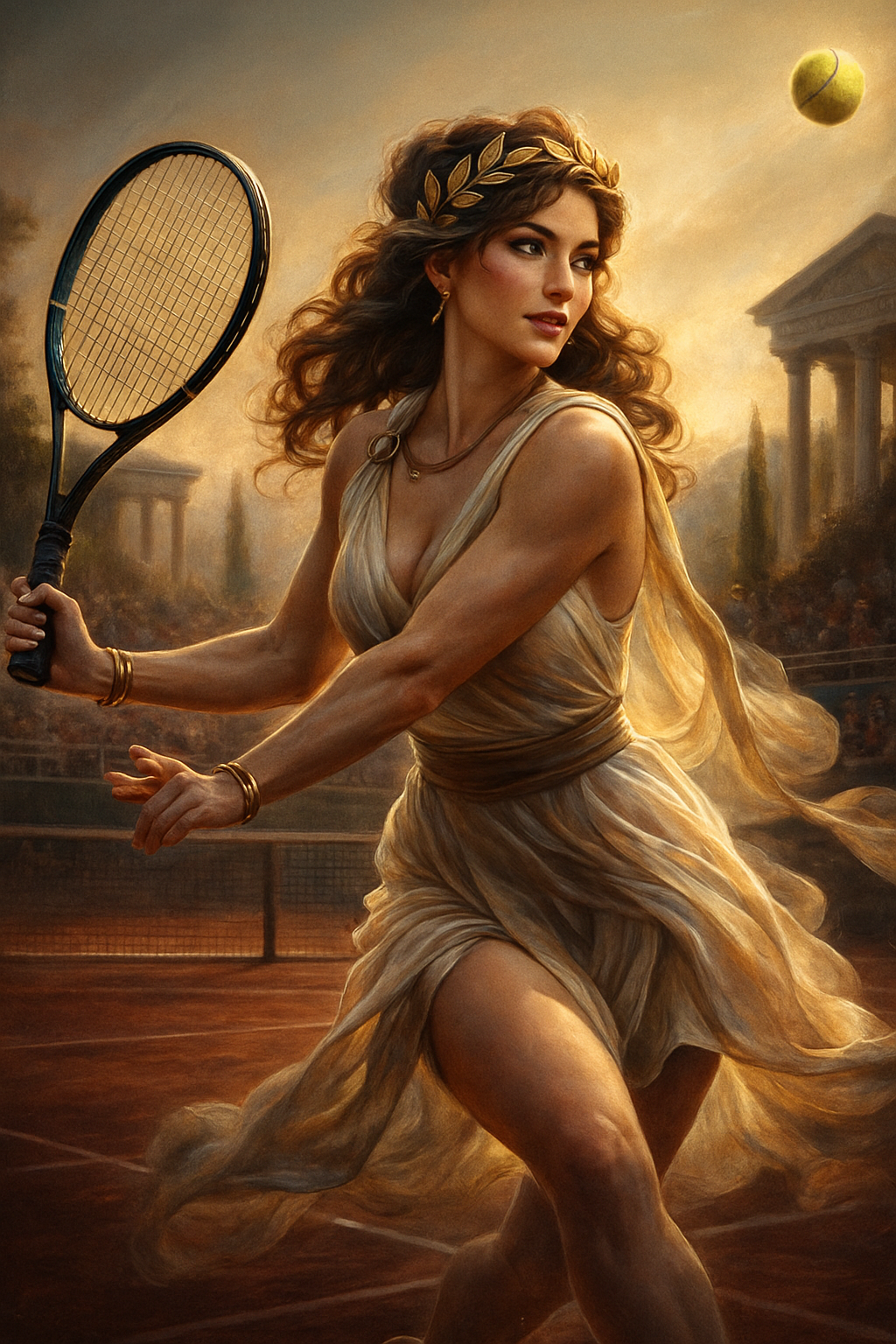
Sappho – The art of rhythm and expression at court

🎾

Plato called her“Tenth Muse”,
and after 2,500 years, her voice remainsbright, direct and honest.
Sappho didn’t just write poetry—she turned emotion into rhythm,
the tension in balance,
desire in motion.

If Sappho played tennis,
would not pursue power—
would listen to himpaceof the game,
she would feel himpulseof the moment
and would respond withharmony and feeling, not with intensity.


💫 Sappho’s tactics are based on three elements:

1. Rhythm is key

As in her lyrics, so in tennis, flow determines success.
The pace player controls the game without pressing.
Sappho would say:“Don’t try to hit harder — try to hit better.”

2. Expression over mechanics

Each beat is a phrase,
every rally a dialogue.
Sappho would not mechanically repeat the same pattern—
would givemeaningat each point.
Movement becomes art only when it carries a personal style.

3. Emotion as energy, not burden

Sappho knew that emotion is power,
if it doesn’t overwhelm you.
On the court, fear, tension or joy can become rhythm,
if you turn them into a concentration.
Sappho would turn stress into music of movement.


🎾 Tennis lesson from Sappho

“Listen to your rhythm before you strike.
When soul and body move together,
the game becomes a poem.”

Eros – The art of aiming and passion in tennis

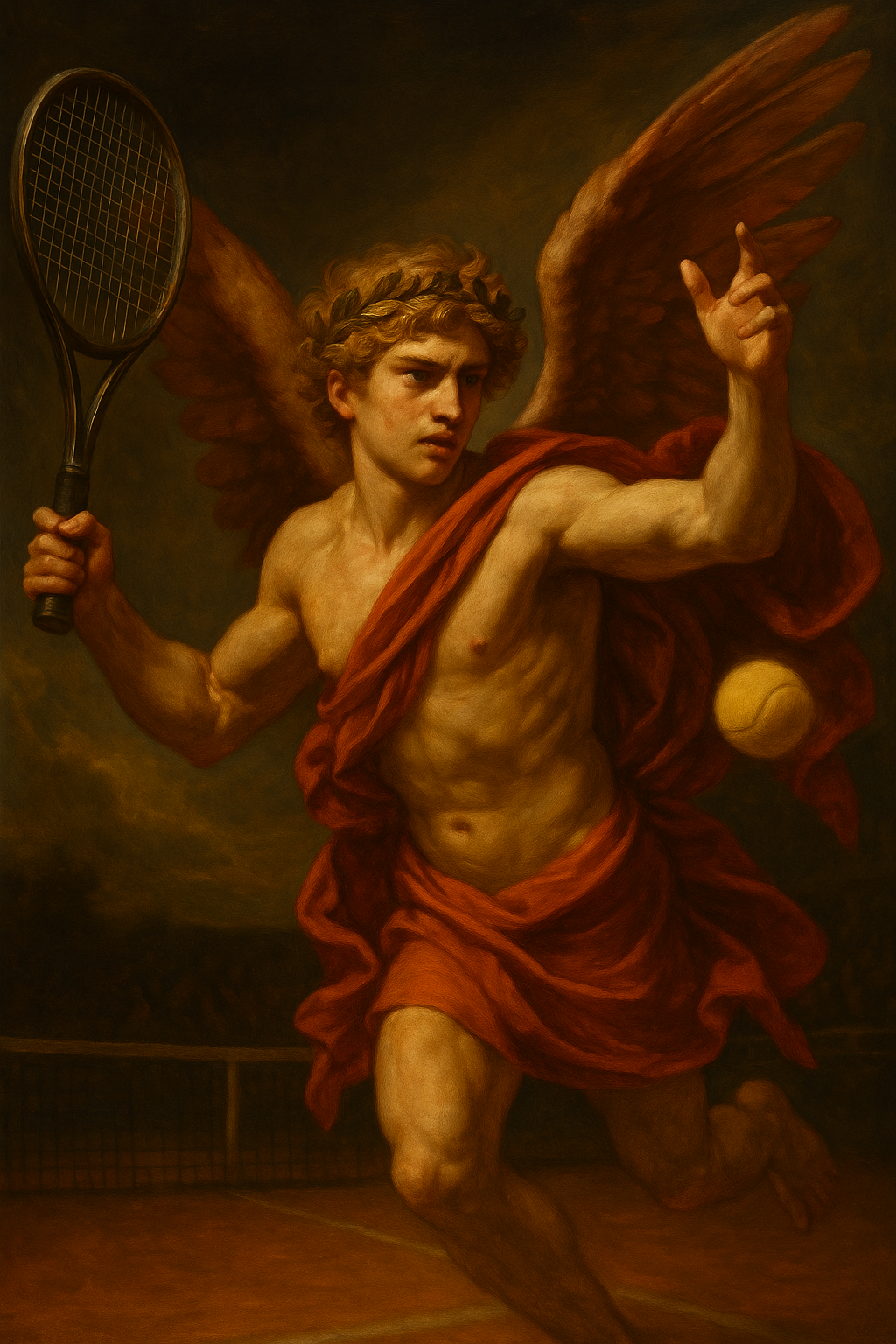
Eros, the winged god who could with a single arrow change the course of the heart, was not just a symbol of love—he was its ultimate mastertargeting.
In the world of tennis, Cupid would be the player who hits not just the ball, but thepoint that should.
Its precision is no accident; it is born of focus, intention, and total dedication to the moment.

Cupid doesn’t just play to win.
He plays toto feelthe game — and thus creates perfection through passion.


❤️ Eros’ tactics are based on three elements:

1. Aim before hitting

Like the arrow that finds the heart, every strike must start from a clear target.
The player who just hits “pass the ball” is missing the point.
The Eros player hits to “talk” to the court.

2. Passion in moderation

Eros knows that passion without control blinds.
In tennis, the player must light the fire of the game — but not let emotions determine the stroke.
Energy should serve precision, not destroy it.

3. Being present in the moment

Cupid only strikes when there is perfect alignment: hand, gaze, aim, soul.
So does the tennis player.
The decision is made when the mind stops thinking and starts feeling.


🎾 Tennis lesson from Eros

“Aim with the eye, beat with the heart.
Strength doesn’t win the point — intent does.”


Plato – The art of play through thought

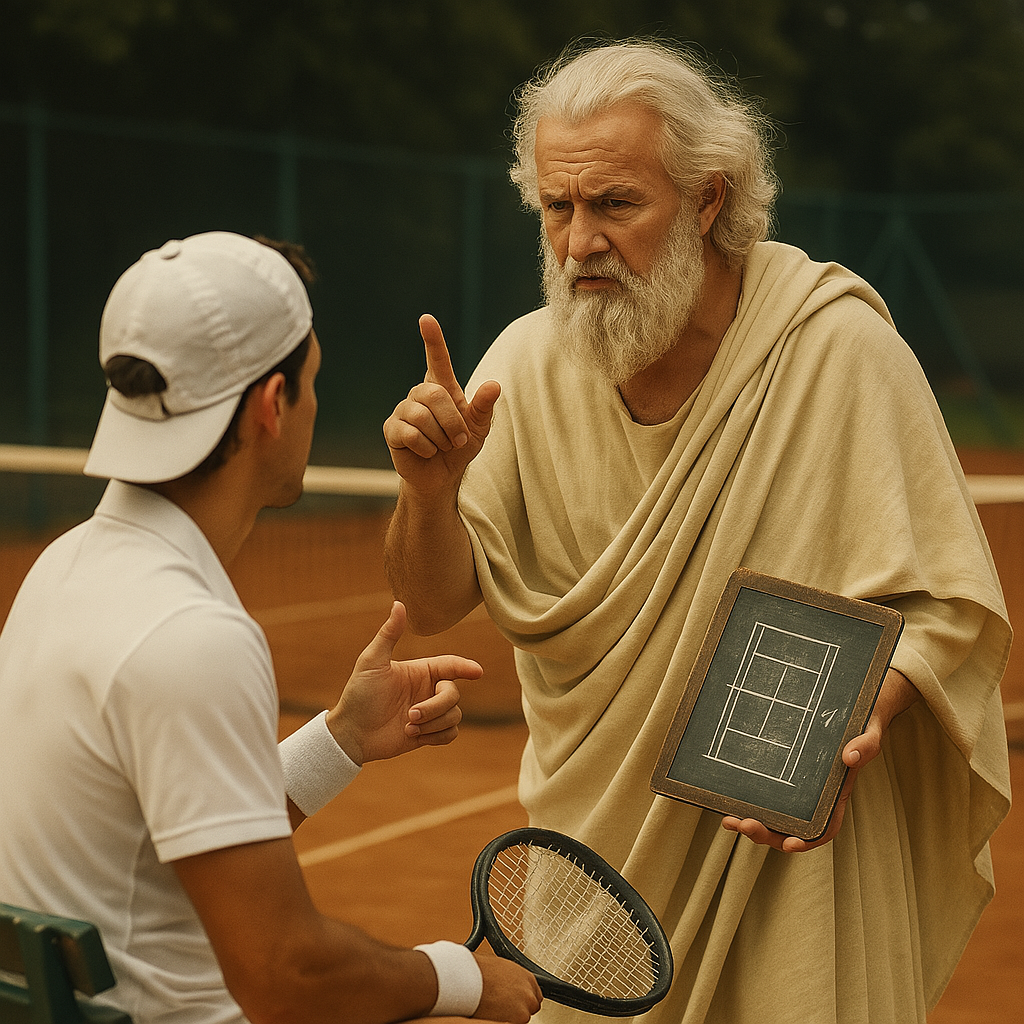
Plato, the philosopher who sought truth beyond the shadows, would view tennis not only as a sport, but asbalance game between body and mind.
On the court, Plato would not see the ball — he would see itConcept of movement, the perfect execution that every player strives to achieve.

For Plato, tennis is a small world where the player trains thought to precede action.

Plato’s tactics are based on three foundations:

1. Clarity of intent

Before you strike, you must knowWhyyou hit
As in philosophy, action without a clear idea leads to confusion —
and in tennis, in uncertain strokes.

2. Self-control before tension

For Plato, power becomes meaningful only when it is controlled.
The player who lets emotion guide him loses the game —
the player who controls his soul wins the point before it is played.

3. Stability of mind in motion

As the philosopher remains calm in the quest,
so the player must maintain a clear mind in the rally.
Steadfastness of mind leads to steady hitting.


🎾 Tennis lesson from Plato:

“The right stroke begins before the racket is picked up — it begins in the mind.
Only the player who understands the intention achieves perfection.”


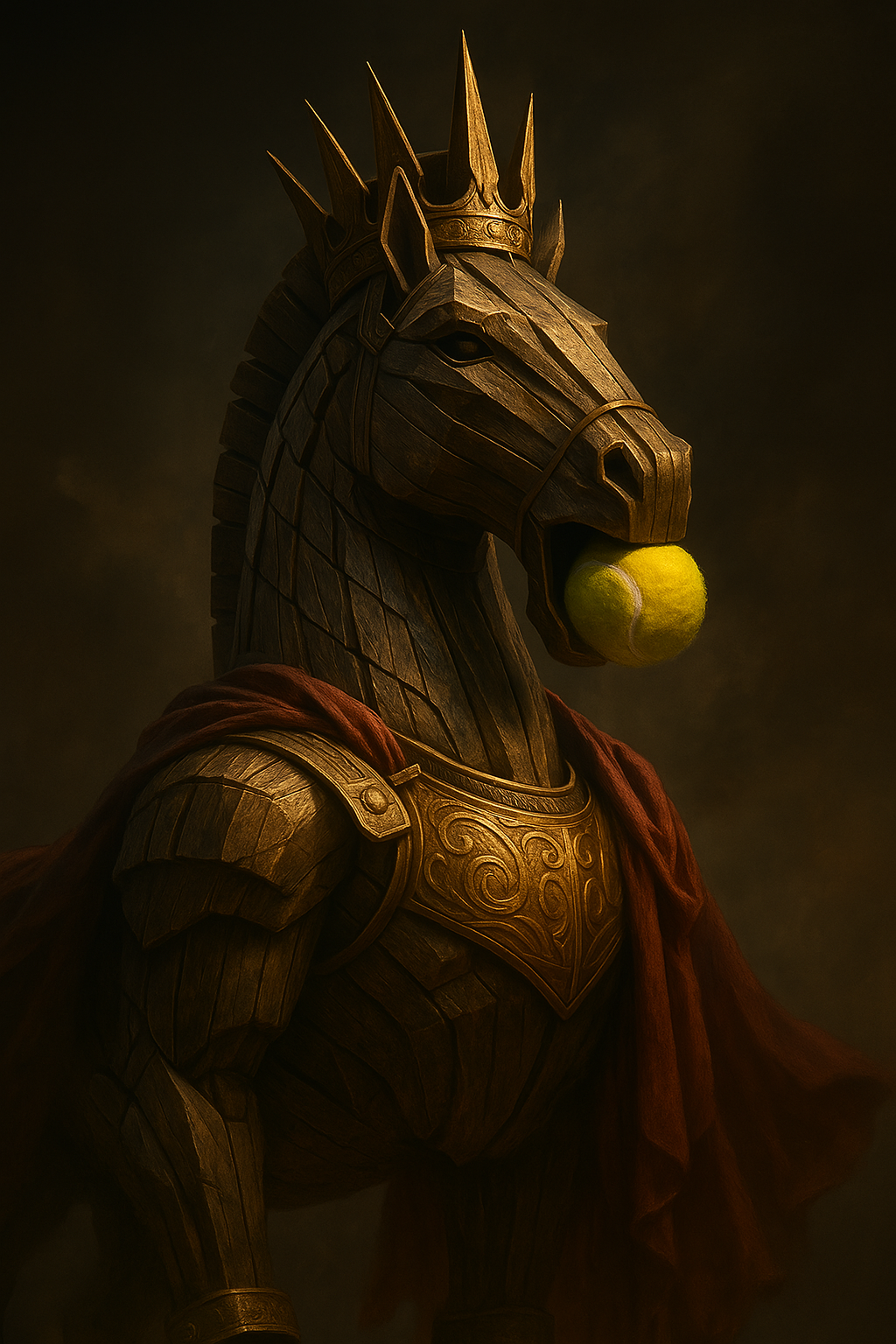
The Trojan Horse plays tennis – strategy, secret moves and tactics for successful matches

Imagine the Trojan Horse on the field, with its wooden structure hiding strategy and patience. Just as he hid his soldiers to surprise the Trojans, so in tennis his strategy is based on surprise and patience.

The game teaches him that every strike must be aimed and every move must surprise the opponent. Train your patience and learn to control the pace of the match.

Download the appTennis Radarto find teammates to help you practice serving and volleying strategically.

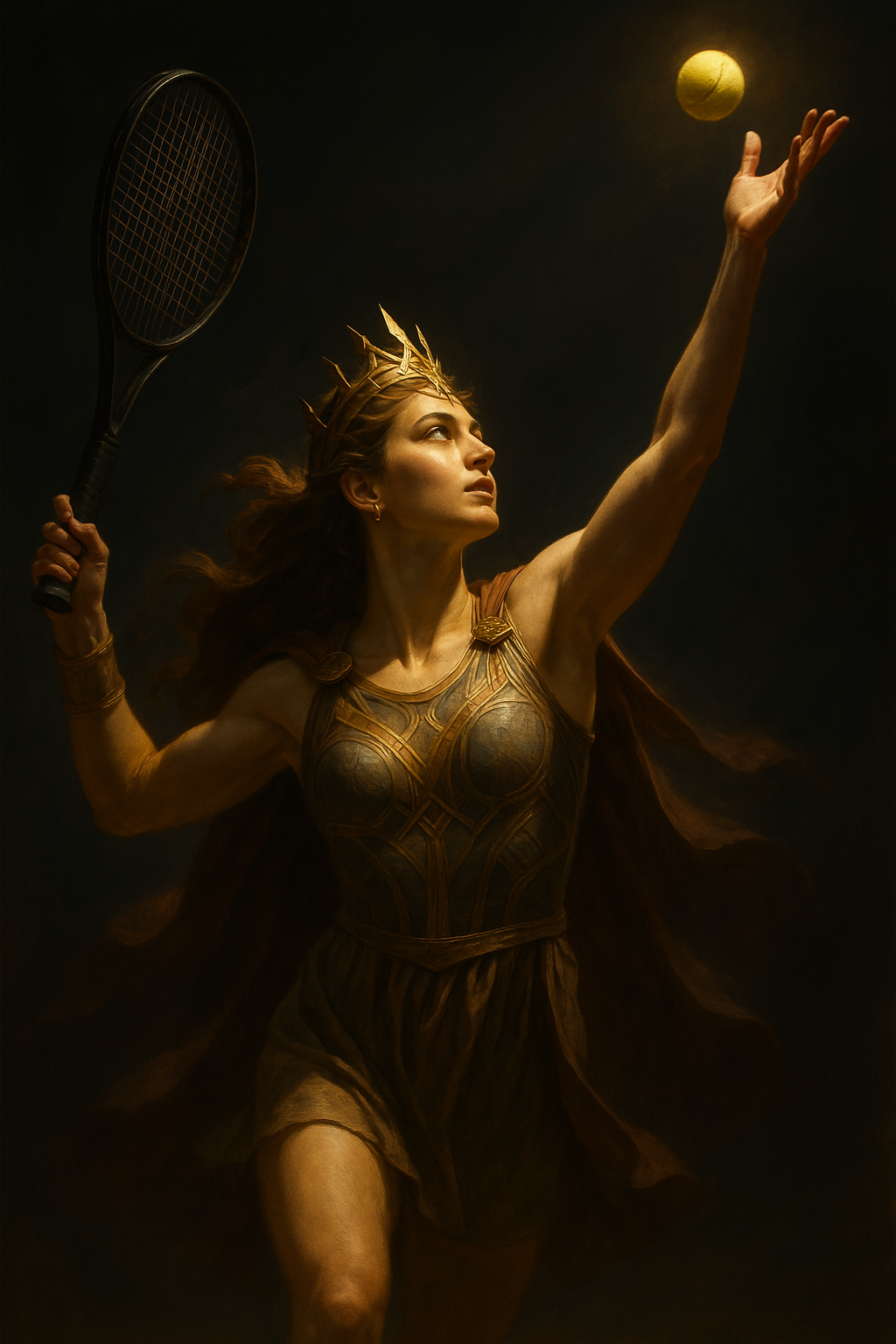
Rhea Goddess of Tennis – wisdom, strategy and how to find teammates for better practice

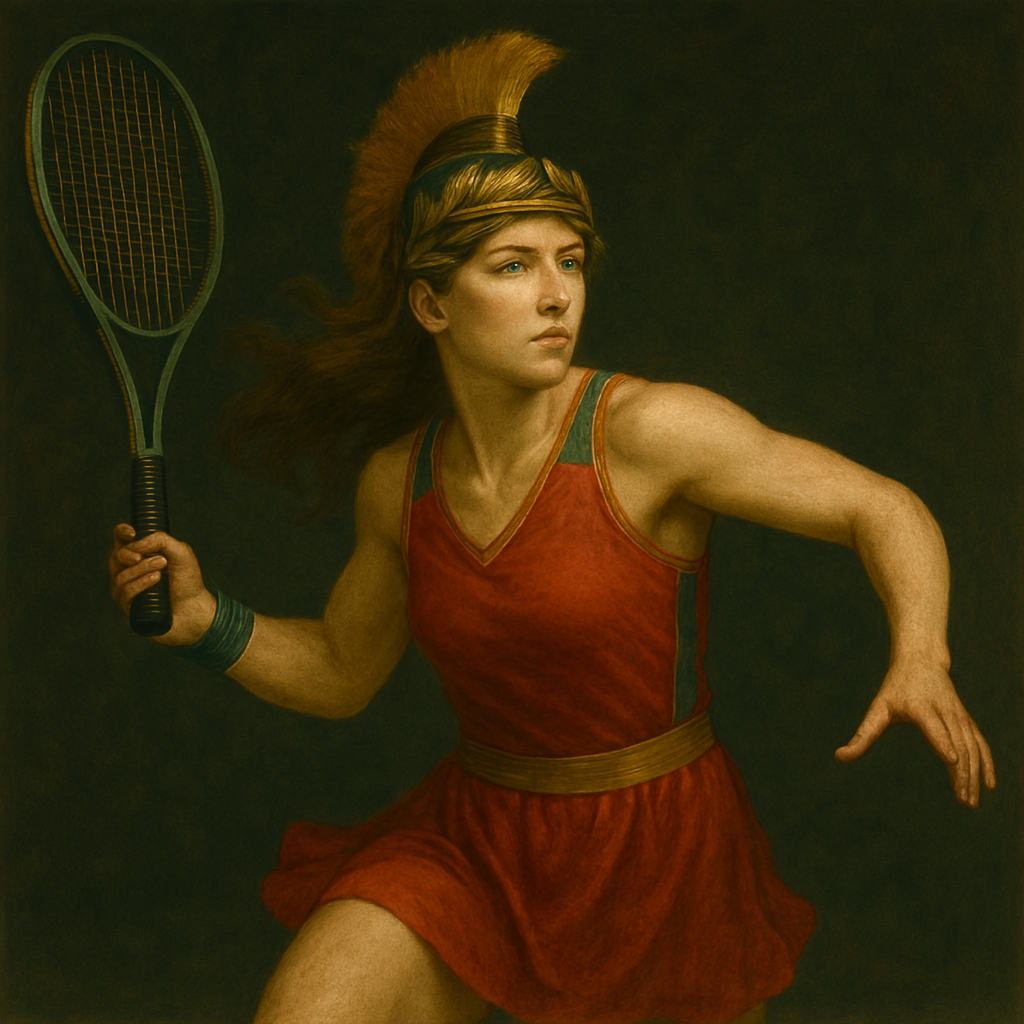
Rhea, mother of the gods, is known for her wisdom and protection of her children. In tennis, her wisdom translates into proper placement and shot selection.

Combine patience with observation: watch the opponent, read the ball and learn to adjust your tactics.

Rhea advises: create a profile and findtennis teammatesfor training with different styles of players.

Sphinx in tennis – puzzles, strategic moves and techniques of reading an opponent

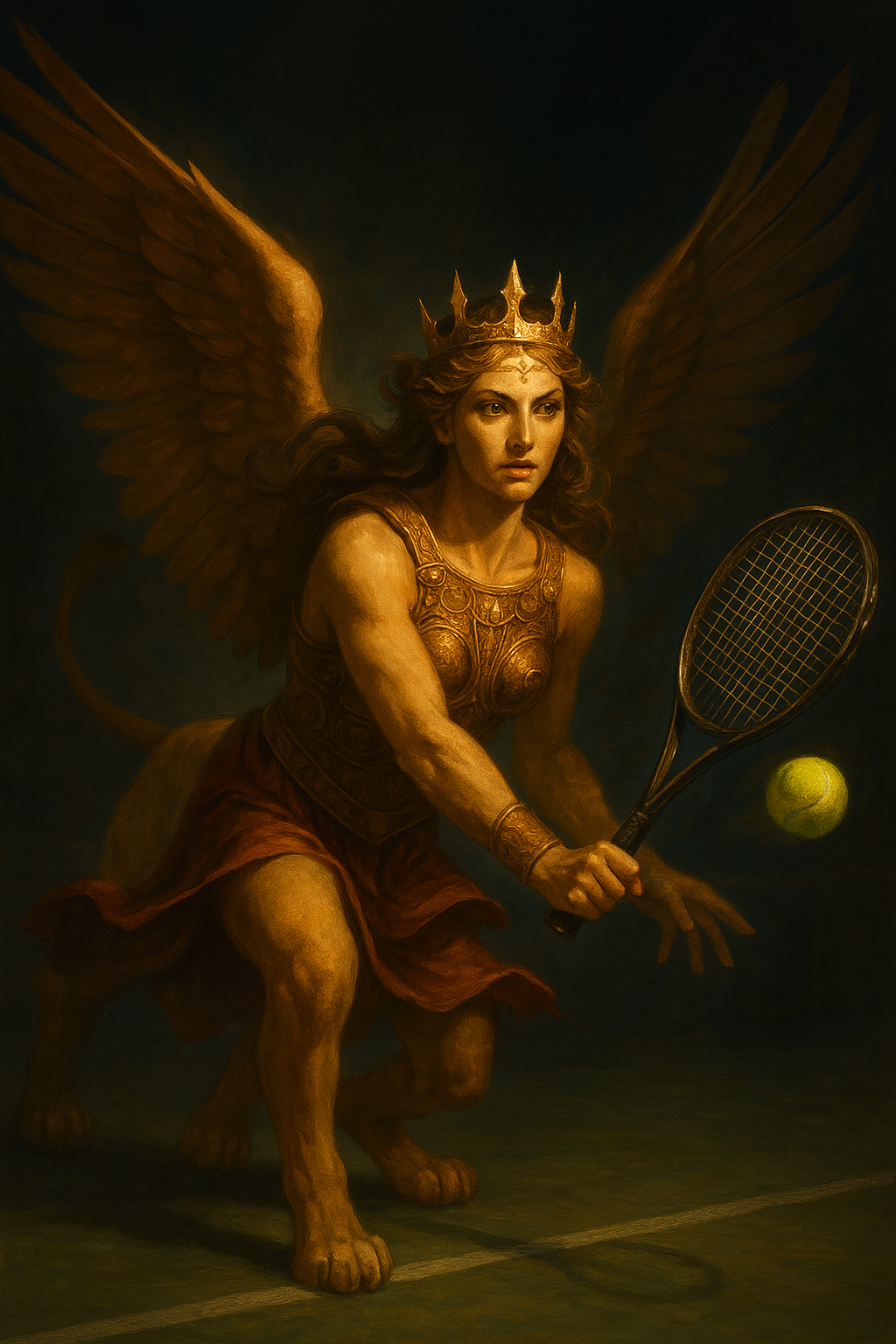
The Sphinx, the mythical creature with the body of a lion and the head of a woman, was famous for its riddles. In tennis, the lesson is clear: read your opponent and think strategically.

Just like solving puzzles, every hit needs planning and precision. Train your recognition ability and your reflexes to always be one step ahead.

Harpyia plays tennis – speed, accuracy and tips to improve your game with teammates

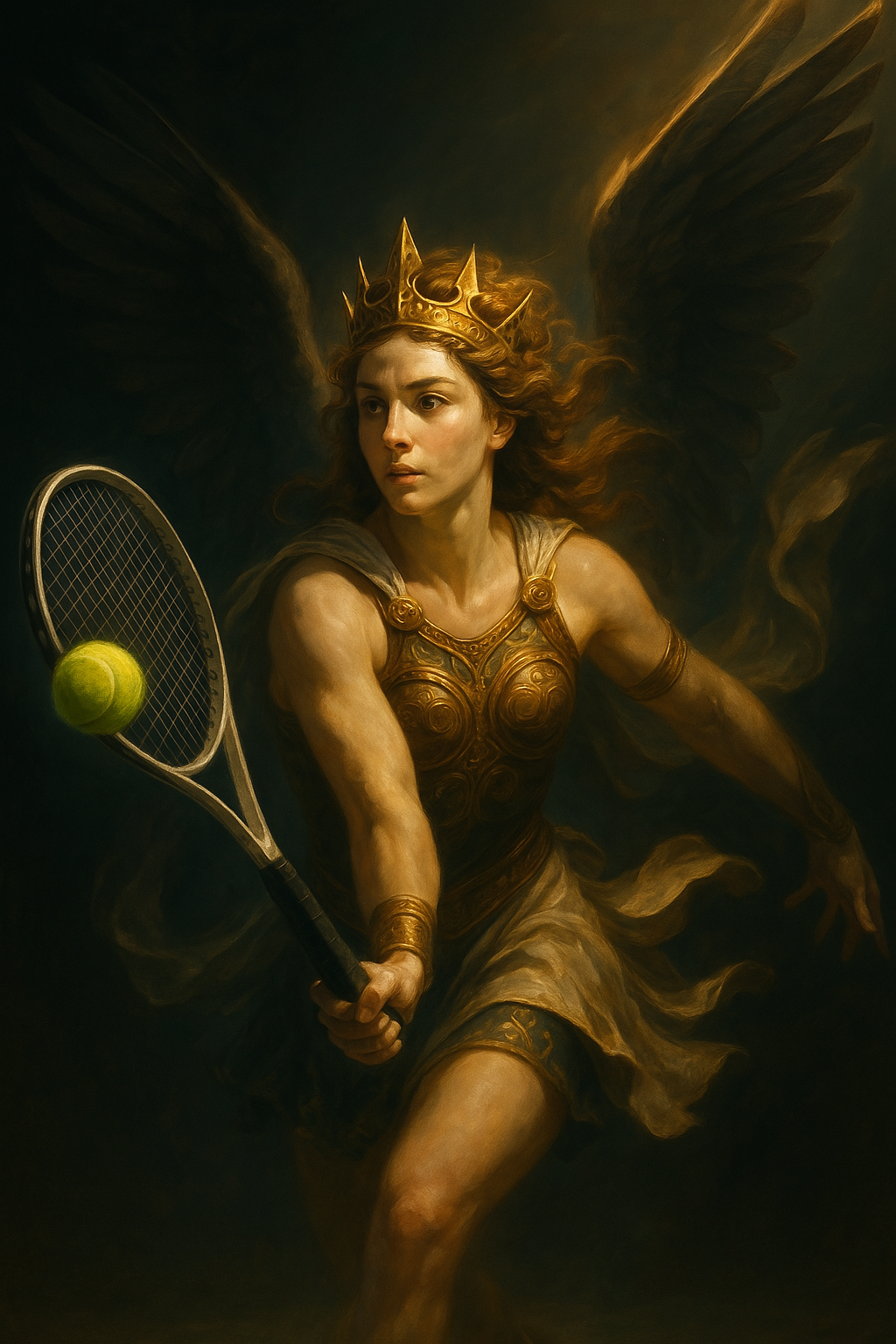
The Harpy is a winged creature that moves quickly and unpredictably. In tennis, speed and accuracy in volleys and serves are her secret.

Her lesson: increase your reaction speed and keep the opponent under constant pressure.

Use Tennis Radar to find teammates who can help you try quick drills.