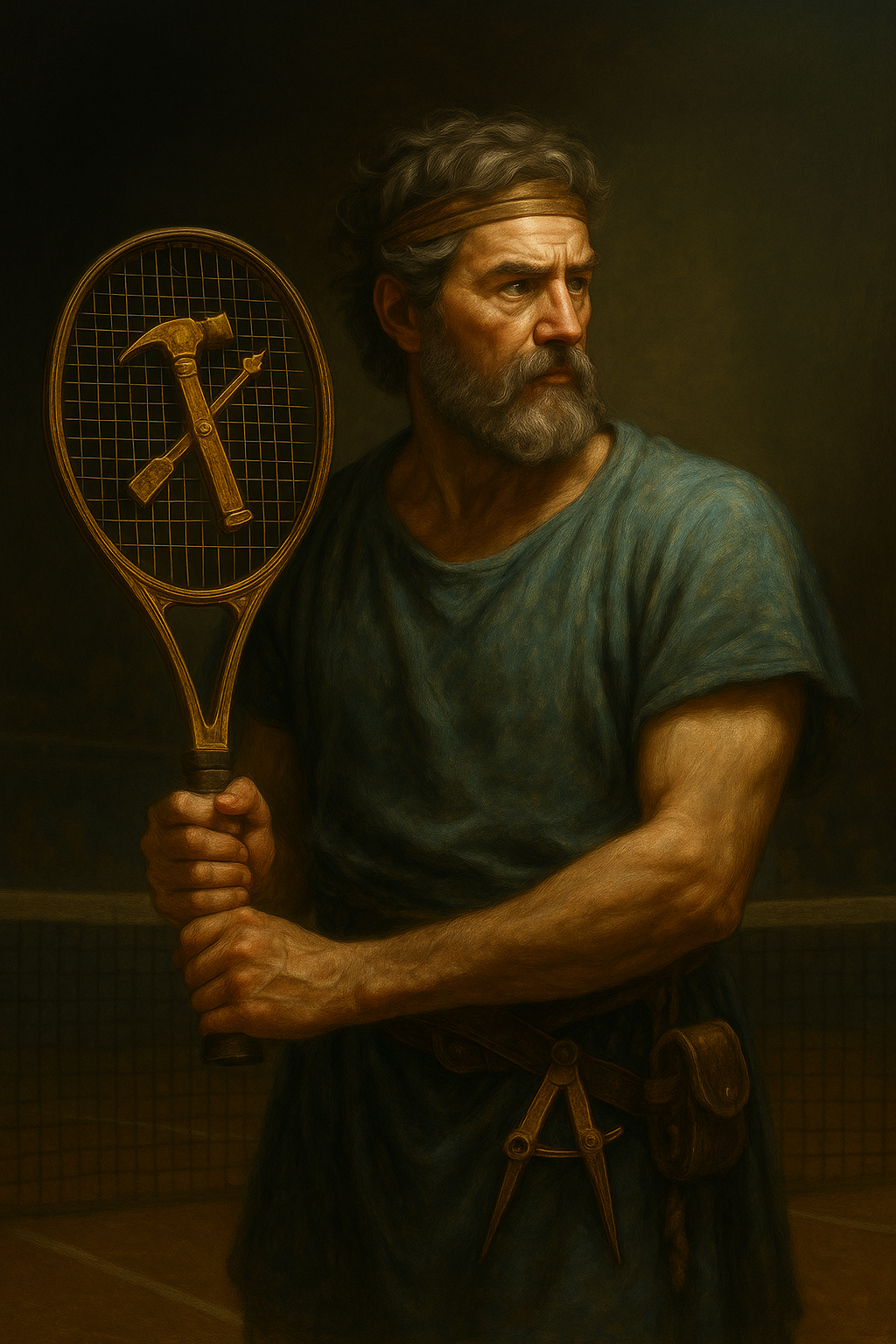
Daedalus – The architect of tennis strategy

Daedalus was not just a craftsman.
He was the man who could create what neither gods nor men could:
• mazes,
• mechanisms,
• wings that defied nature,
• solutions where everyone else saw a dead end.

What if Daedalus played tennis?
He would be the player who does not rely on strength or speed,
but inclean structure, which precedes each hit.

Daedalus doesn’t just play tennis.He plans it.


Daedalus’ tactics are based on three elements:

1. Game architecture

For Daedalus, each point is a small system.
It has entrance, exit and possible routes.
He never hits “as is” — he builds patterns that lead to where he wants:

• closing corners,
• weak shock isolation,
• traps that look random but are calculated.

2. Adaptability

Daedalus was famous for solving problems.
In tennis, this is done:

• immediate change of pace when the rally does not “come out”,
• reading the opponent,
• position and timing correction,
• no obsessing over a failed pattern.

Player–Daedalus does not get angry.It adjusts.

3. Accuracy without imagination does not exist

Daedalus combined technique with imagination —
something that in tennis is rare but divine.

It uses logic to build the foundation
and creativity to change the game at the right moment:

• slice at an unrelated time,
• drop shot as a reversal,
• serve with a different angle,
• passing shot that looks impossible.

His imagination is functional.
Like a good developer,he doesn’t create for impression — he creates for effect.


🎾 Tennis lesson from Daedalos

“The point is not won on the hit.
It is won in the design.”
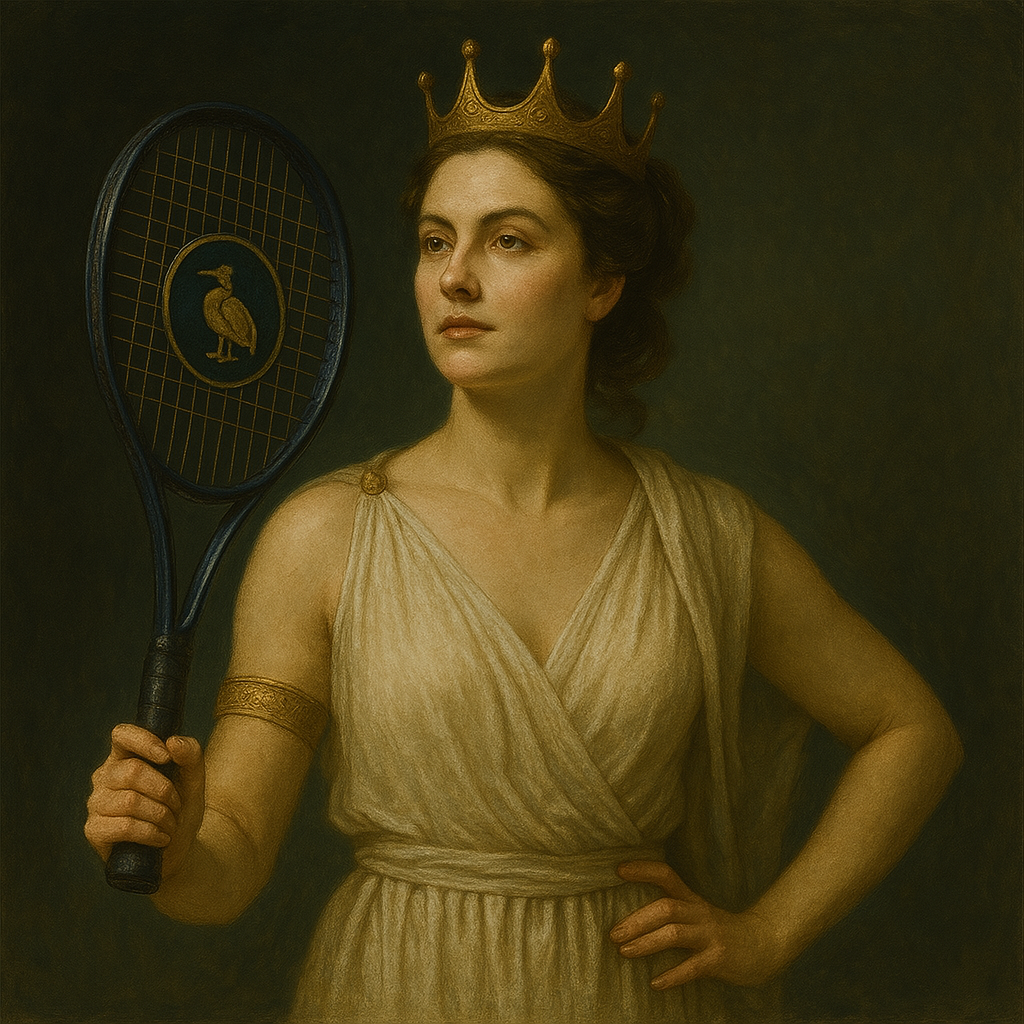
Hera – The power of stability and strategy on the court

Hera, queen of the gods and protector of marriage and order, is not a goddess of violence or speed.
Its dominance is born from something deeper:absolute stability, composure and unwavering determination.
In tennis, Hera would be the player who never loses her center —
the player who sets the pace, not with momentum, but withmastery of space and mind.

For Hera, the game is not chaos.
It is a class that she defines.


👑 Hera’s tactics are based on three elements:

1. Dominance of space

Hera knows that whoever controls the space also controls the game.
On the court, this means stable position, correct distance from the ball
and pacing the opponent.
No blind running —smart placement.

2. Stability without agitation

Hera is not carried away by emotional outbursts.
Her strength is composure.
The player acting as Hera does not change tactics because he lost a point —
he remains firm, focused, unmoved in his strategy.

3. Wait until the moment is right

As the goddess of order, Hera knows when to wait.
In tennis, this translates into continuous, steady rallies until the opportunistic stroke appears.
Hera is in no hurry—
strikes when the balance tips in her favor.


🎾 Tennis lesson from Hera:

“Don’t let the game get you down.
You are the order in the chaos.
Stability is true strength.”

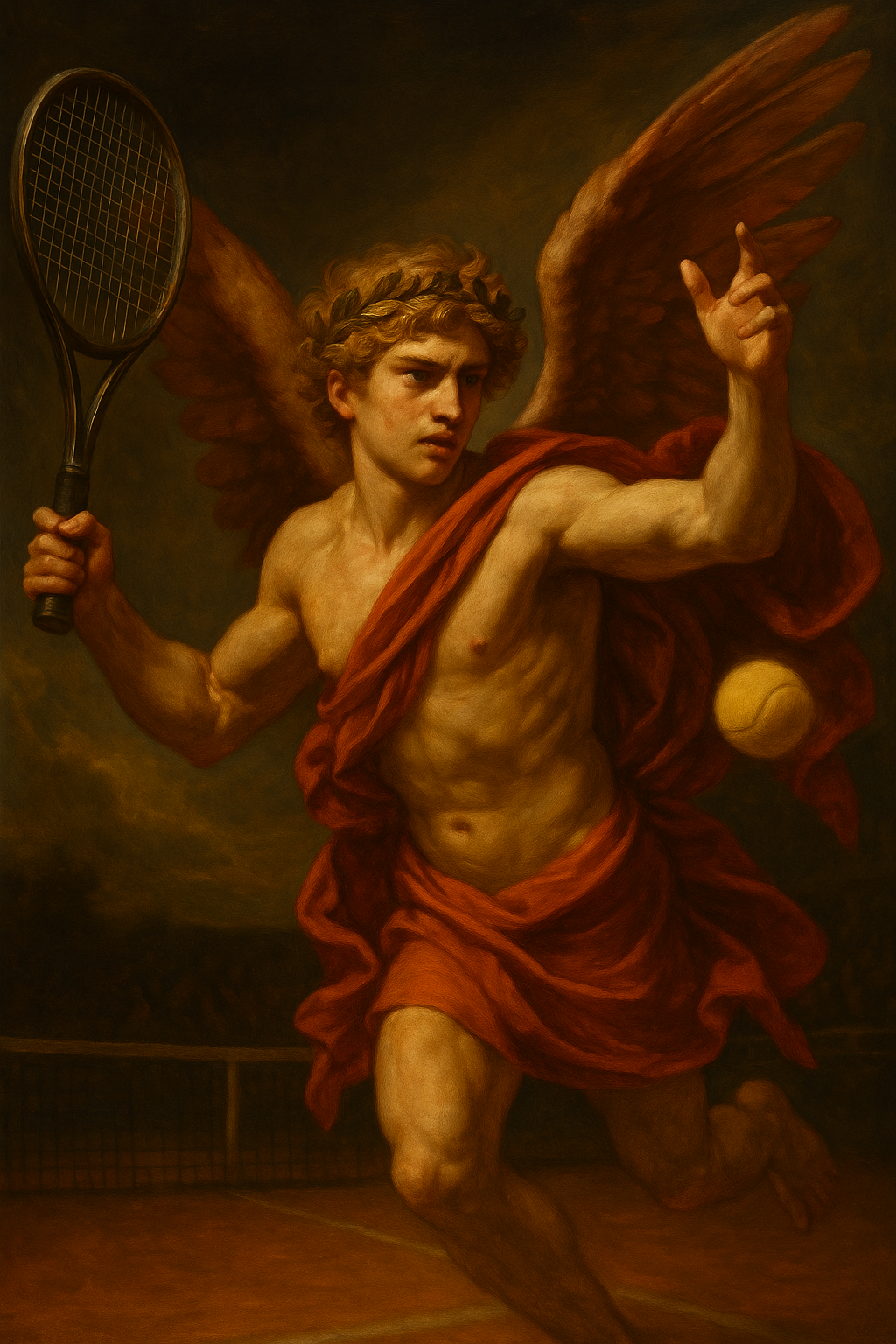
Eros – The art of aiming and passion in tennis

Eros, the winged god who could with a single arrow change the course of the heart, was not just a symbol of love—he was its ultimate mastertargeting.
In the world of tennis, Cupid would be the player who hits not just the ball, but thepoint that should.
Its precision is no accident; it is born of focus, intention, and total dedication to the moment.

Cupid doesn’t just play to win.
He plays toto feelthe game — and thus creates perfection through passion.


❤️ Eros’ tactics are based on three elements:

1. Aim before hitting

Like the arrow that finds the heart, every strike must start from a clear target.
The player who just hits “pass the ball” is missing the point.
The Eros player hits to “talk” to the court.

2. Passion in moderation

Eros knows that passion without control blinds.
In tennis, the player must light the fire of the game — but not let emotions determine the stroke.
Energy should serve precision, not destroy it.

3. Being present in the moment

Cupid only strikes when there is perfect alignment: hand, gaze, aim, soul.
So does the tennis player.
The decision is made when the mind stops thinking and starts feeling.


🎾 Tennis lesson from Eros

“Aim with the eye, beat with the heart.
Strength doesn’t win the point — intent does.”


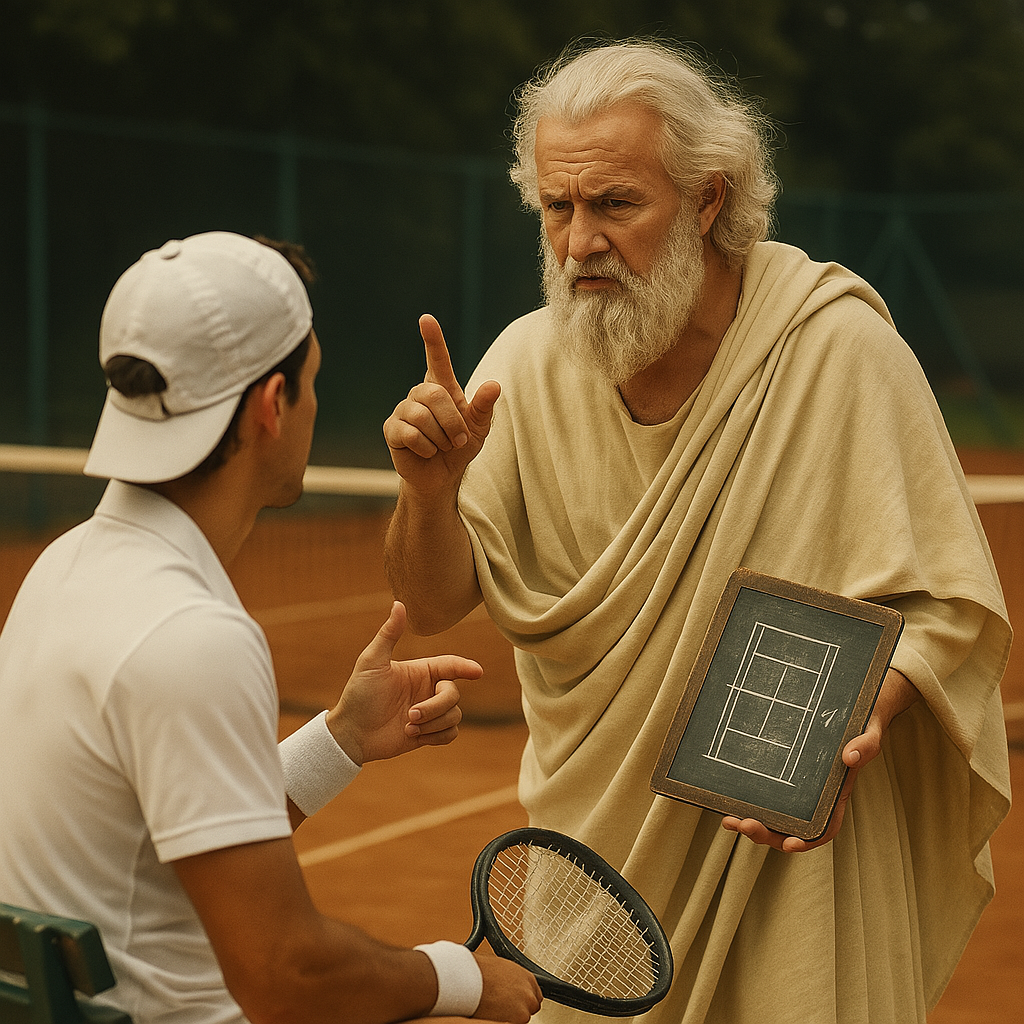
Plato – The art of play through thought

Plato, the philosopher who sought truth beyond the shadows, would view tennis not only as a sport, but asbalance game between body and mind.
On the court, Plato would not see the ball — he would see itConcept of movement, the perfect execution that every player strives to achieve.

For Plato, tennis is a small world where the player trains thought to precede action.

Plato’s tactics are based on three foundations:

1. Clarity of intent

Before you strike, you must knowWhyyou hit
As in philosophy, action without a clear idea leads to confusion —
and in tennis, in uncertain strokes.

2. Self-control before tension

For Plato, power becomes meaningful only when it is controlled.
The player who lets emotion guide him loses the game —
the player who controls his soul wins the point before it is played.

3. Stability of mind in motion

As the philosopher remains calm in the quest,
so the player must maintain a clear mind in the rally.
Steadfastness of mind leads to steady hitting.


🎾 Tennis lesson from Plato:

“The right stroke begins before the racket is picked up — it begins in the mind.
Only the player who understands the intention achieves perfection.”


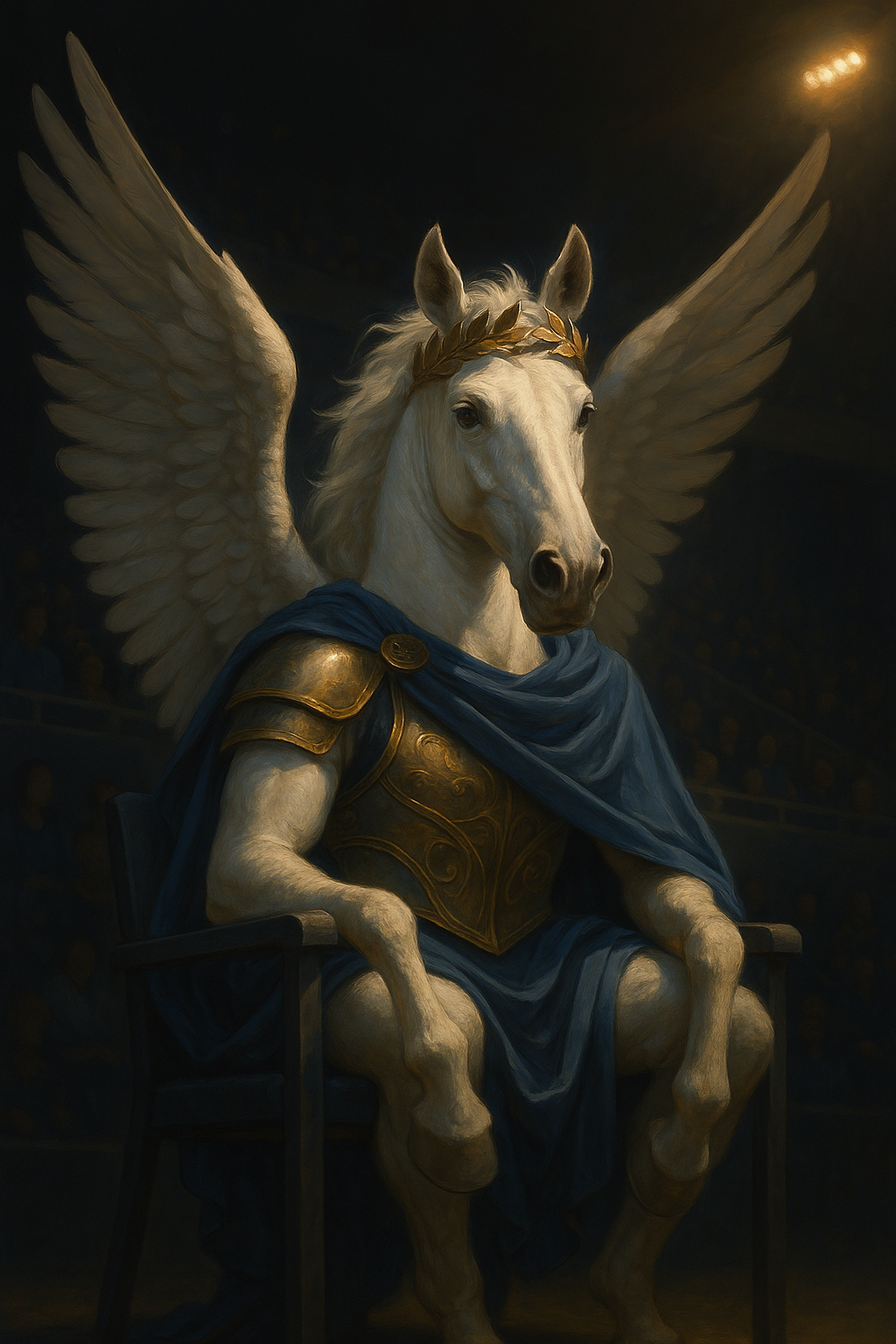
Pegasus – The strategy of freedom on the court

Pegasus, the winged horse of Jupiter, is not just a symbol of speed — it is the ultimate expression of control within freedom.
In tennis, Pegasus would be the player who never gets caught up in the opponent’s rhythm.
He flies above the game, predicts the next move and chooses when to “come down” for the decisive blow.

Pegasus’ tactics are based on three elements:

  1. Speed ​​with purpose– every step has a goal, every flight has a destination.
    Like on court, where speed without anticipation just leads to mistakes.

  2. Movement without fear– Pegasus does not play defensively.
    He opens the game, takes up space, chases the ball before it even reaches the ground.

  3. Balance between power and grace– no movement is a waste of energy, every stroke is the result of flow and precision.

🎾 Tennis lesson from Pegasus:

“Learn to move with freedom, but strike with intent.
Only then does the game become a flight.”

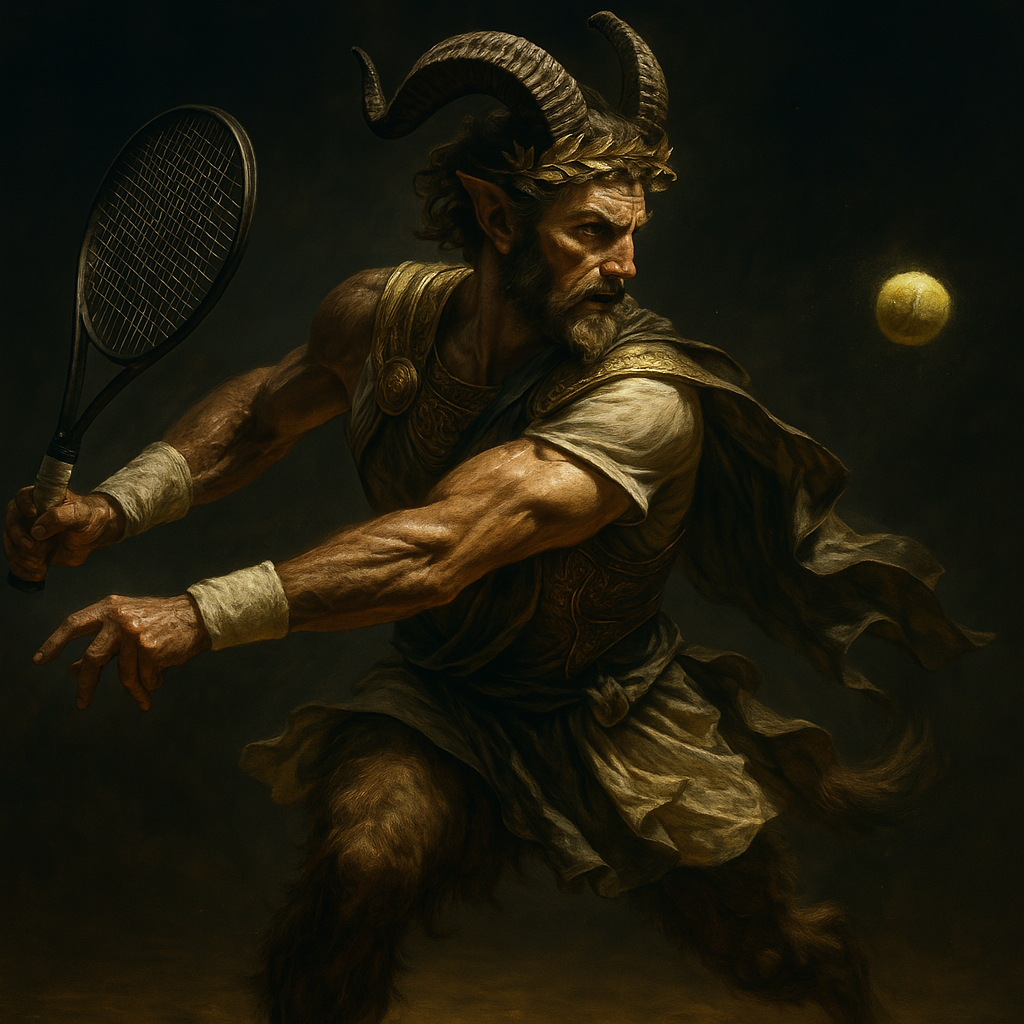
🎾 Satyros and the Art of Attacking Strategy in Tennis

Imagine a Satyr on the field, his quick feet and endless energy moving between hits as if dancing on the hills of ancient Greece. Just as the Satyr deceives and surprises with his mischievous but clever games in the woods, so in tennis the ability to change pace and direction surprises the opponent.

The magic of the Satyr teaches us that the energy, speed and feel of the game are as important as the power of the serve. Your every step on the court must be thought out, but with the dose of surprise that will make it difficult for the opponent.

Train your flexibility, learn to predict the hits and have fun at the same time.

Download the appTennis Radarto find teammates to help you implement the Satyr’s tactics and improve your game with strategic and unpredictable strikes.

Sphinx in tennis – puzzles, strategic moves and techniques of reading an opponent

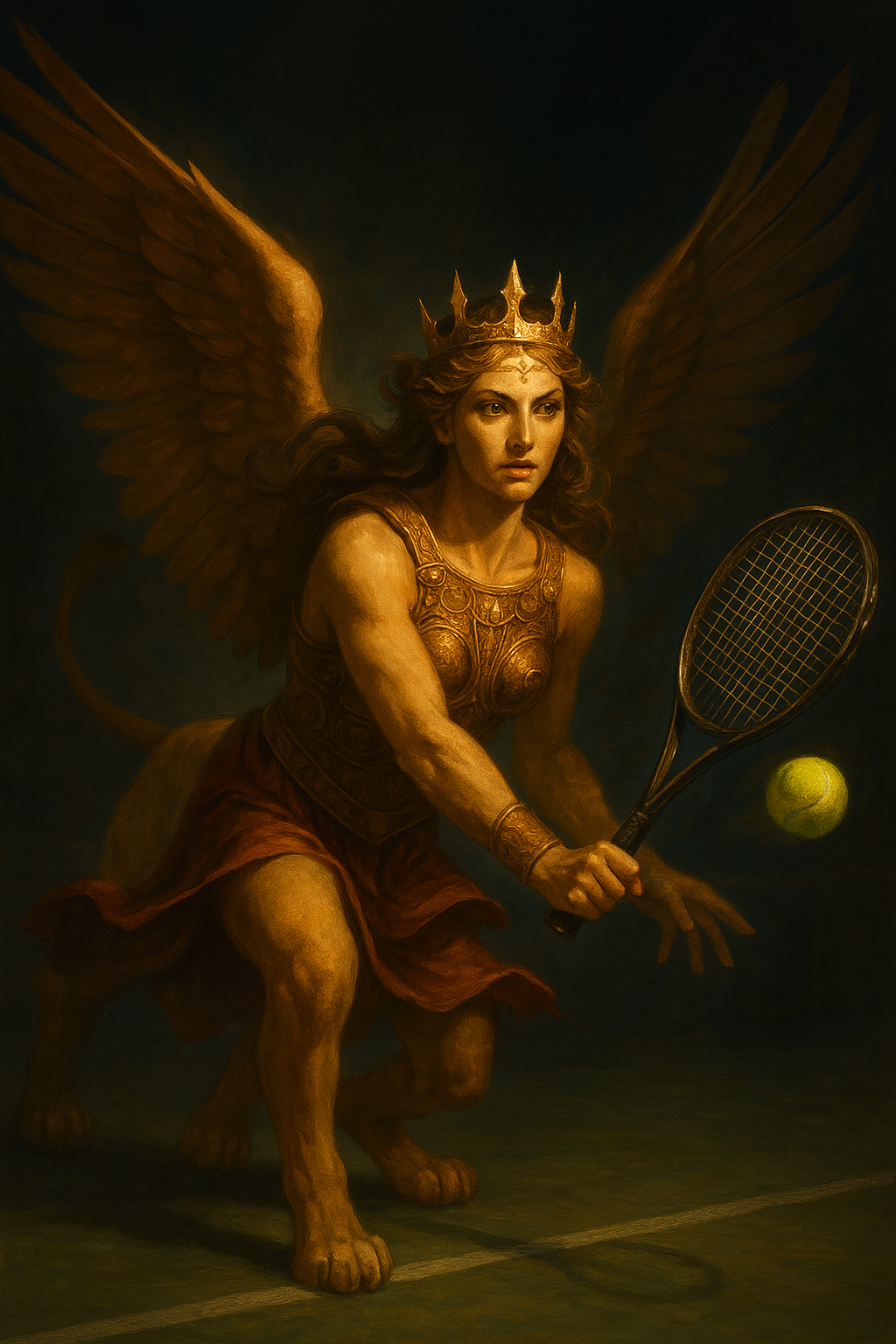
The Sphinx, the mythical creature with the body of a lion and the head of a woman, was famous for its riddles. In tennis, the lesson is clear: read your opponent and think strategically.

Just like solving puzzles, every hit needs planning and precision. Train your recognition ability and your reflexes to always be one step ahead.

Harpyia plays tennis – speed, accuracy and tips to improve your game with teammates

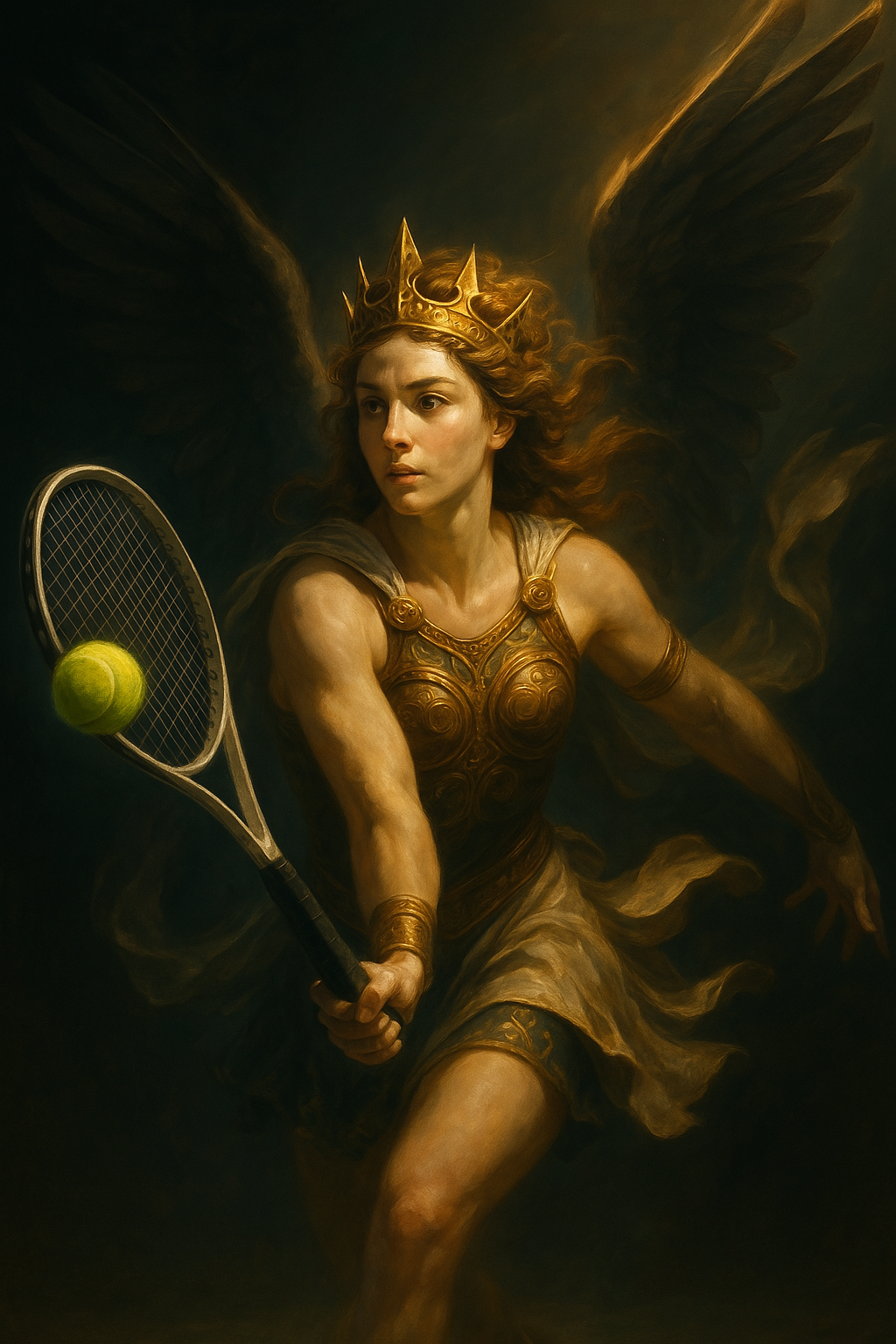
The Harpy is a winged creature that moves quickly and unpredictably. In tennis, speed and accuracy in volleys and serves are her secret.

Her lesson: increase your reaction speed and keep the opponent under constant pressure.

Use Tennis Radar to find teammates who can help you try quick drills.